The Coevolv Lab
My research and publications focus on developing interventions that optimize wellbeing and performance and translating cutting-edge behavioral science into practical tools for individuals, organizations, and society.
I study the underlying psychological drivers that shape how people make decisions, navigate challenges, and create meaningful change—particularly in uncertain, high-stakes, nuanced, volatile and complex environments.
This work bridges academic research and real-world application, making science accessible to practitioners, leaders, and policymakers who need evidence-based approaches that work.

“Aprilia has a gift for illuminating complex, evidence-based ideas.”
– Dr. Todd Kasdan, PhD, Director of the Wellbeing Lab at George Mason University and author, The Art of Insubordination
The Mission
The Coevolv Lab exists to make behavioral science accessible and actionable. The Lab’s goals are:
Translate complex psychological research into tools that practitioners, leaders, and policymakers can actually use
Challenge outdated models in mental health and organizational practice with evidence-based alternatives
Study how individuals and societies can evolve beyond inherited biases, beliefs, and biological constraints
Create frameworks that help people expand their sense of possibility and make more intentional choices
Areas of Research
& Expertise
My work examines the psychological drivers of behavior change across four interconnected constructs—from how individuals navigate their emotions to how societies can evolve toward greater collective wellbeing.
-
Emotional efficacy is the ability and belief in your ability to harness emotional experience, shift your mindset, and take action aligned with your values.
This construct, which I developed during my doctoral research, has become internationally recognized and forms the foundation of Emotion Efficacy Therapy: a brief, exposure-based protocol that integrates ACT and DBT. My work in this area helps people become more skillful with their emotions, moving beyond attempts to control or avoid feelings toward using emotional experience as information for values-based action.
-
Choicefulness is the capacity to make intentional decisions aligned with your values, even under stress and uncertainty.
Most people operate on autopilot, defaulting to what's easiest, most comfortable, or most familiar in moments of choice. My research examines how people can move from living by default to living by design. This work explores the gap between knowing what to do and actually doing it, emphasizing experiential practice and real-world application over insight alone.
-
Psychological flexibility is the ability to stay present, open to experience, and take values-based action even in the face of difficult thoughts and feelings.
It's one of the most researched constructs in behavioral science, with over 1,000 studies demonstrating its impact on wellbeing and performance. My work translates this science for high-stakes applications, helping leaders, teams, and organizations develop the mental agility needed to navigate complexity, uncertainty, and pressure while maintaining focus on what matters most.
-
Prosocial behavior change focuses on interventions that serve both individual wellbeing and collective good.
Sustainable behavior change at individual and societal levels requires understanding the psychological, biological, and social factors that drive human behavior. My work in this area ranges from workplace culture transformation to policy campaigns that drive meaningful social impact, translating behavioral science into strategies that help people and organizations shift behavior in ways that benefit everyone.
Published Works

WHAT YOU FEEL IS NOT ALL THERE IS
“Compelling and potent.”
– Jane McGonigal, PhD, #1 NYT Bestselling Author of SuperBetter, Reality Is Broken and Imaginable, and Director of Games Research & Development at the Institute for the Future

ACT FOR YOUR BEST LIFE
“A fabulous way to practice living well and with meaning.”
– Robyn D. Walser, PhD, Licensed Clinical Psychologist and Author of Heart of ACT
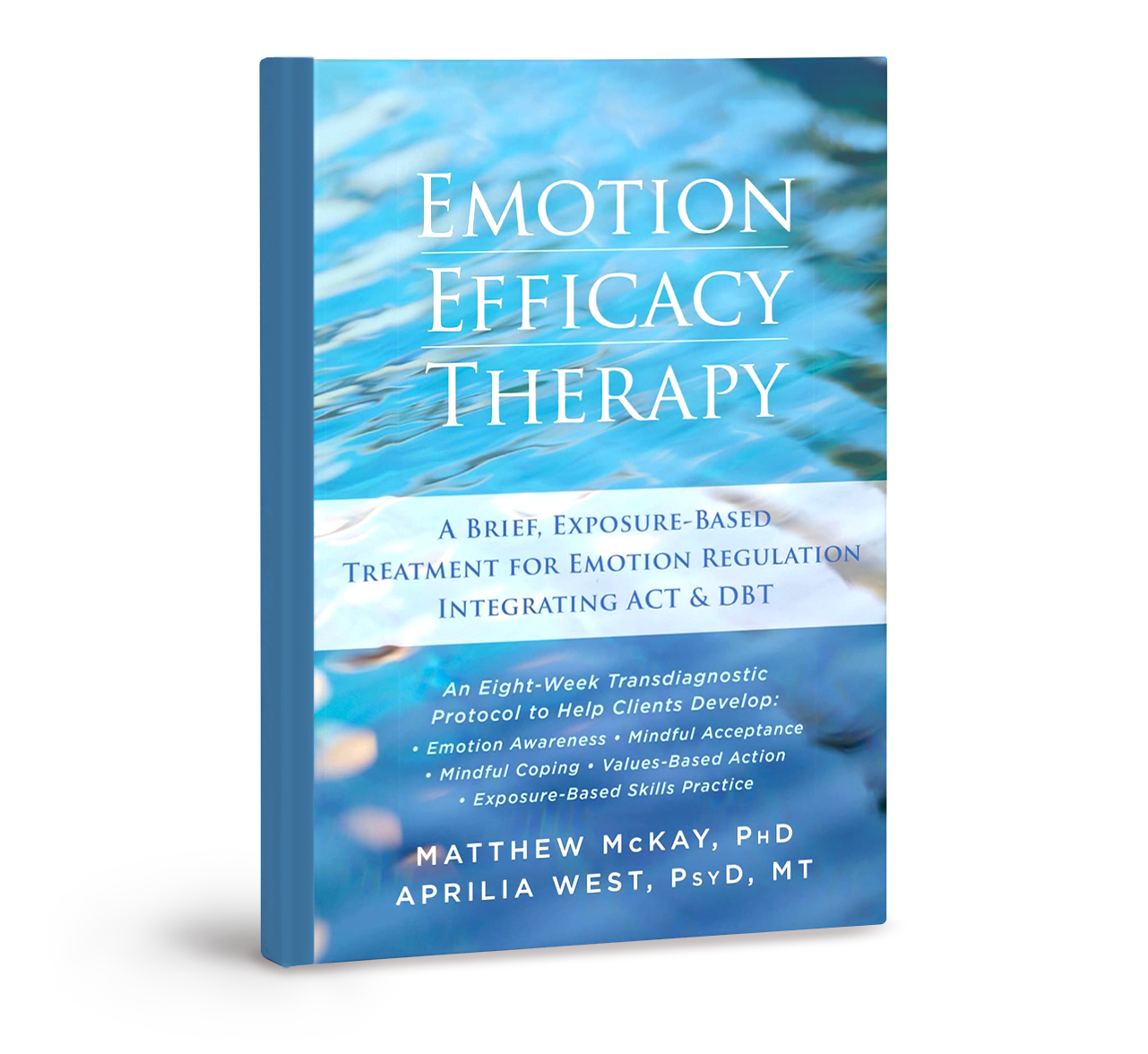
EMOTION EFFICACY THERAPY
“A ‘must’ for therapists, supervisors, and trainees!”
– Rochelle I. Frank, PhD, Assistant Clinical Professor of Psychology, University of California, Berkeley